Facilitate futures
I design and facilitate futures processes to strengthen people and organizations in dealing with uncertain futures and to improve their Futures Literacy.
My most important method in recent years has been Futures Literacy Laboratories. They are highly flexible and can be adapted to different goals, participants, and available time. Sometimes the focus is on community in desirable futures, sometimes on creativity in alternative futures, and sometimes on developing concrete, actionable ideas. Here are a few examples:
In the futures of trust, the global leadership team of “GLEIF – Global Legal Entity Identifier Foundation” developed concrete ideas for launching a new product. At the same time, this online futures laboratory, together with Lena Tünkers, strengthened collaboration among staff across different continents and areas of responsibility. I was then able to continue working with the results together with the Board of Directors.
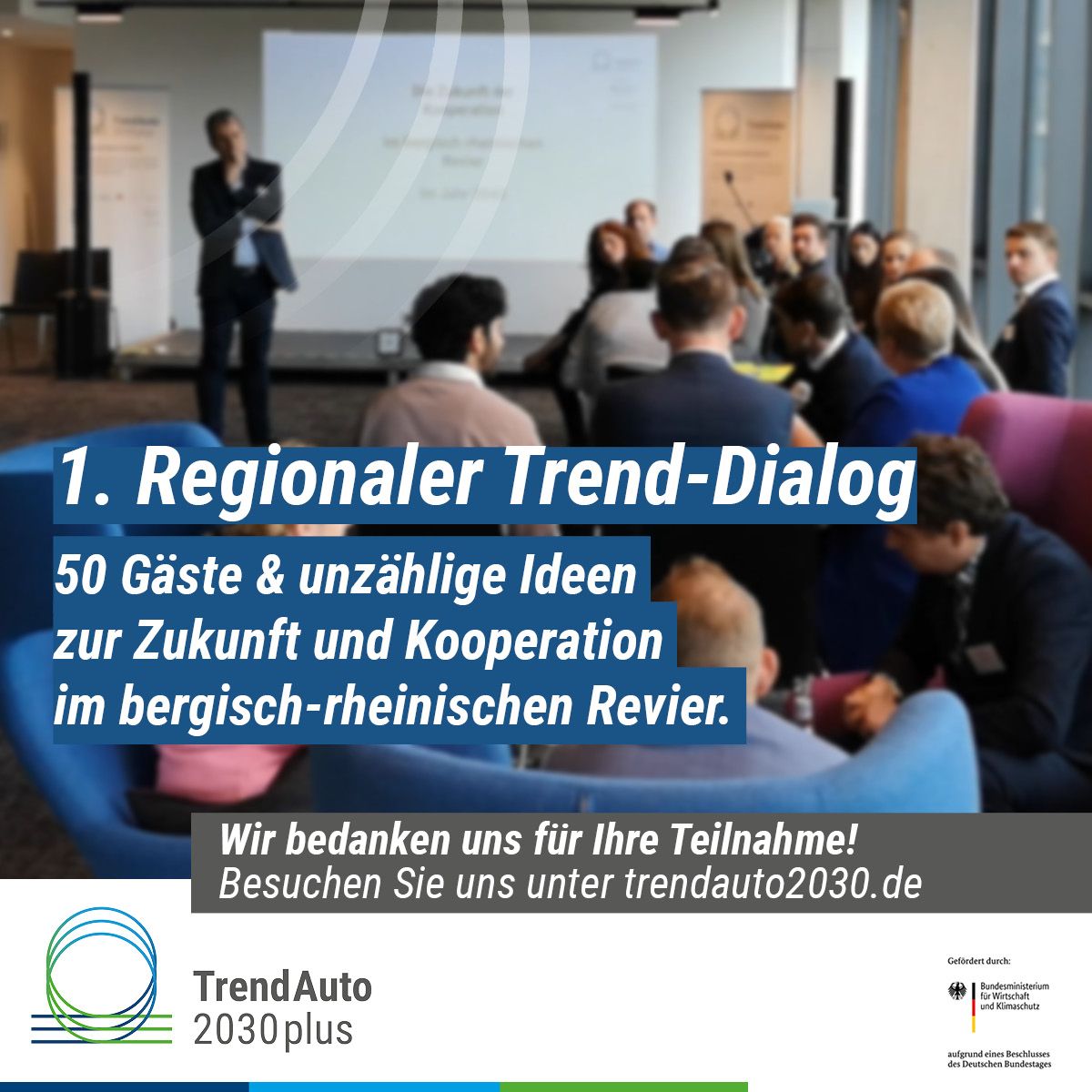
For the University of Applied Sciences in Cologne, I was able to design and facilitate a networking event in the Trendauto2030 project as a Futures Literacy Laboratory with 50 participants. The topic was the futures of cooperation. By working together on different futures, the participants deepened their understanding of one another and developed concrete ideas for action that are being pursued further in the project.
For the Digital Office of KfW Bankengruppe, Martina Oettl and I were able to run an online futures laboratory and training on the futures of money. The participants wanted to get to know the method more fully through their own experience. And they wanted to develop powerful new ideas for their work in the Digital Office. They especially enjoyed the alternative futures.
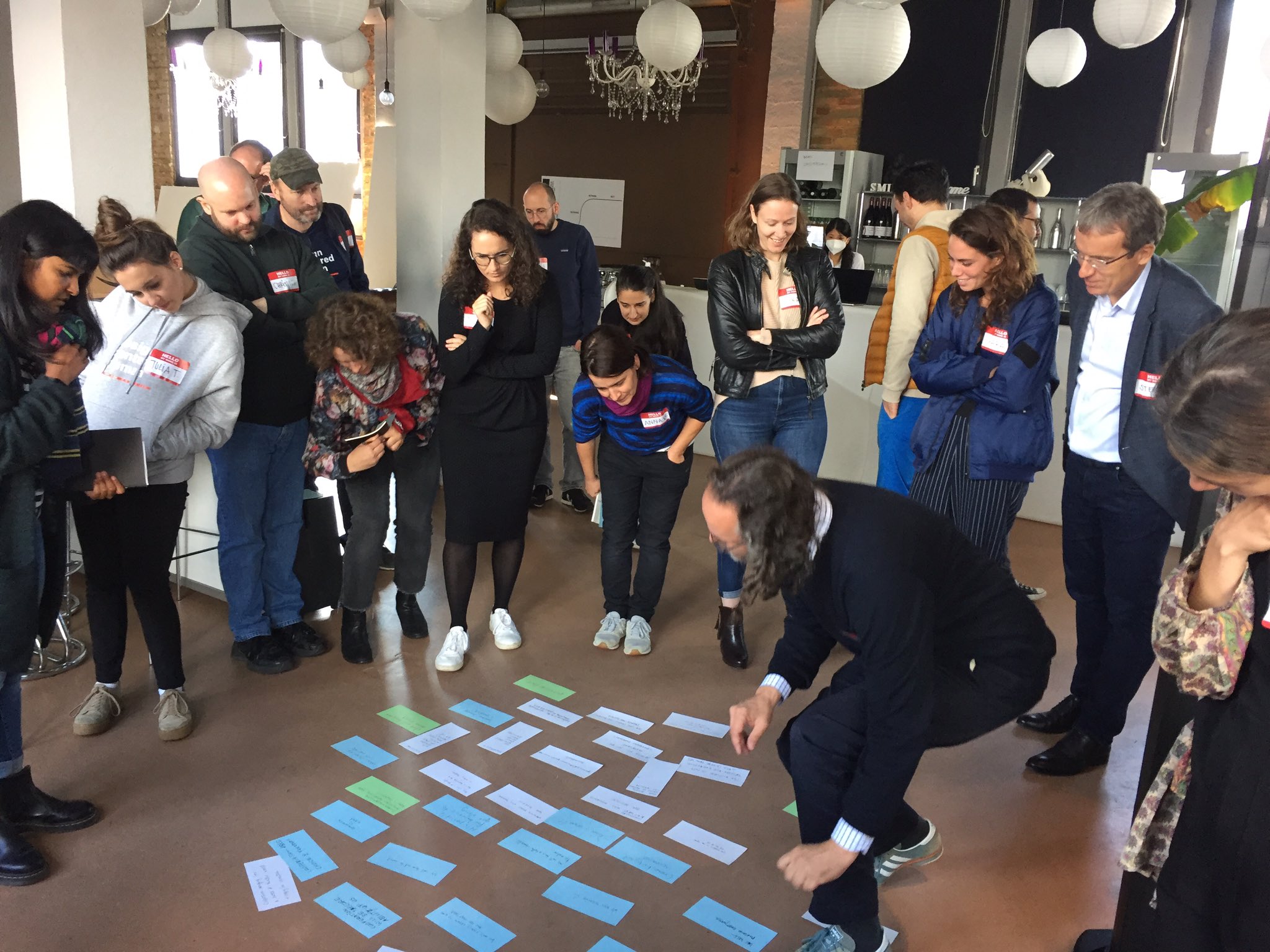
In the futures of cooperation, the strategic design agency Iconstorm used the process to get to know a new method and to explore possibilities for applying it with its own clients. At the same time, this in-person event was meant to deepen cooperation within the team after the Covid period.
Also helpful for my current futures processes are the design and facilitation experiences I have gained from processes that I accompanied in different roles over the years. I describe many of them in more detail in my book. Here is a selection:
The federal government strategy “Wellbeing in Germany” was a major quality-of-life process in 2014/15. It was inspired by my work in the “Dialogue on Germany’s Future” in 2011/12 and by our dialogue process in Frankfurt am Main. I was chosen to accompany the strategy on the scientific advisory board. I took part in many events in different roles and learned a great deal about what works and what does not. In the final report, I missed a clearer focus and a stronger connection to the next steps.
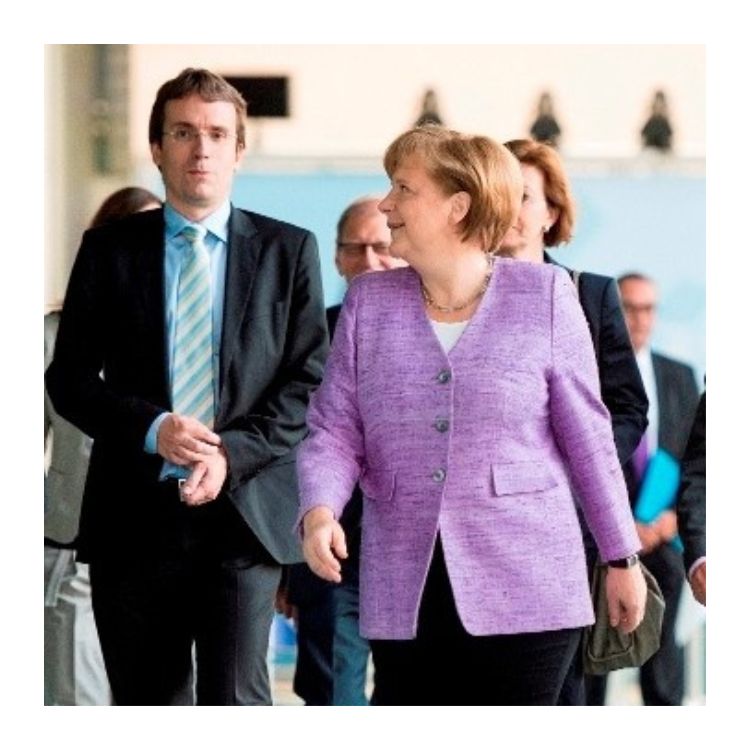
In the Chancellor’s “Dialogue on Germany’s Future” in 2011/12, I was able to lead the working group on “Prosperity, Quality of Life and Progress” in a voluntary capacity, speak several times with the Chancellor, and gain many insights behind the scenes. My working group developed proposals such as the citizen dialogue on quality of life “Vision 2040 – for my children” and a reporting system called “Germany Worth Living In.”
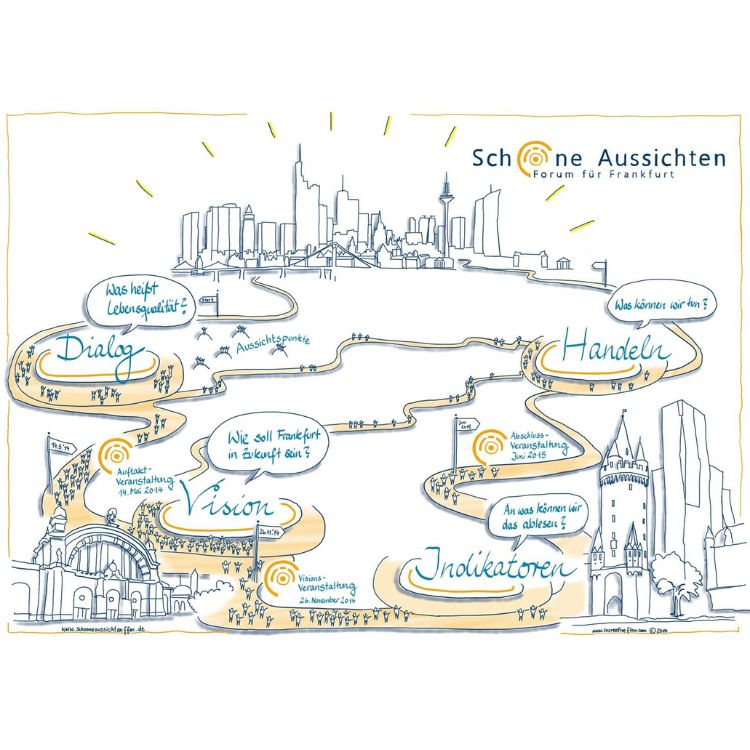
In the dialogue process “Positive Futures – Forum for Frankfurt,” the Center for Societal Progress created spaces between 2013 and 2016 where people could talk with one another about the futures of Frankfurt and help shape a vibrant and livable city. More information about this visioning process can be found on the project page of the center.
Because digitalization played almost no role in dialogue processes at the local and national levels, the Center for Societal Progress launched the #gutlebendigital dialogue process from 2017 to 2019 to explore how digitalization can be shaped so that it has as positive an effect as possible on people’s quality of life. The results on the 11 topic areas can be found on the project website, but only in German.